A well-timed maintenance project can do more than make a home look better for the next season—it can help preserve pricing power when it is time to sell. In Marion, buyers often notice condition issues quickly, especially on roofs, exterior materials, windows, HVAC systems, and moisture-prone areas. This guide breaks down which upkeep projects tend to support resale value most effectively and where owners can avoid overspending.
Start with the projects buyers notice first
When resale value is the goal, the best maintenance work is usually the kind that prevents questions during showings and inspections. A buyer may love a floor plan or a backyard, but deferred upkeep can shift attention toward future costs. That is why smart home maintenance is less about flashy upgrades and more about protecting the parts of the property that signal reliability: the roofline, paint, drainage, windows, doors, mechanical systems, and visible signs of water wear.
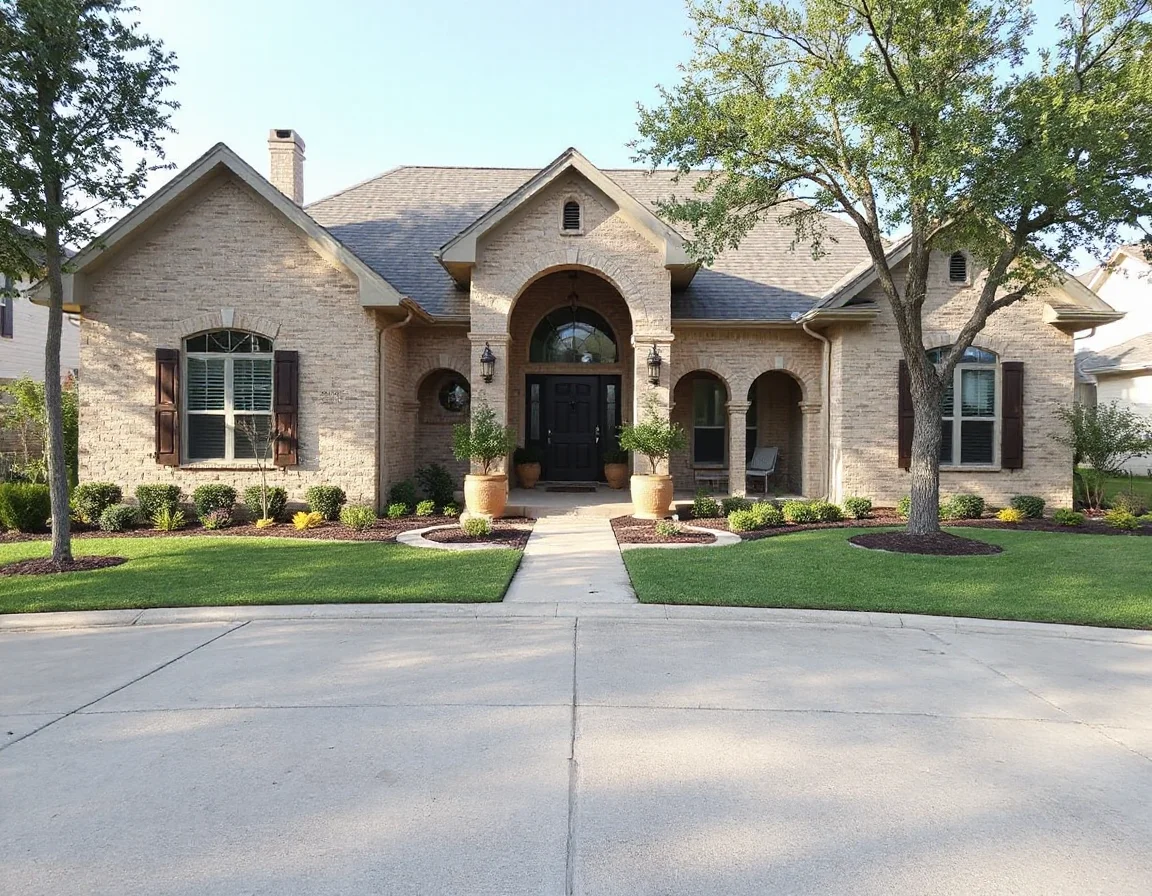
In a market where buyers compare several homes online before they ever step through the front door, condition has real influence. Fresh exterior maintenance photographs better, feels easier to own, and can reduce the chance that a small issue becomes a negotiation point later. Even if two homes have similar square footage and location advantages, the one with obvious upkeep often creates a stronger first impression.
For many Marion homeowners, the most cost-effective place to begin is a full condition review. Walk the perimeter after a rain, check for cracked caulk, peeling paint, soft wood, clogged gutters, staining around ceilings, and HVAC performance issues. These are not glamorous line items, but they are exactly the kinds of details that can affect buyer confidence.
The highest-value maintenance work often happens before listing photos are taken. If a project helps the home look cared for and reduces inspection concerns, it usually has more resale impact than purely decorative spending.
Roof, drainage, and moisture control deserve top priority
Few things protect resale value better than staying ahead of water. A roof nearing the end of its life, poorly draining gutters, soil erosion near the foundation, or evidence of interior moisture can instantly change how a buyer evaluates the home. Even when the issue is manageable, buyers often estimate repairs conservatively and assume a larger budget hit than the actual fix may require.
That is why roof maintenance, flashing checks, gutter cleaning, downspout extensions, and grading corrections are some of the strongest protective projects a homeowner can make. Inside the house, attic ventilation and minor ceiling or trim repairs also matter because they help show that moisture has been monitored instead of ignored. In Texas conditions, heat and storms can accelerate wear, so routine inspections are especially worthwhile.
If a full roof replacement is not yet necessary, documentation still helps. Service records, repair receipts, and a recent inspection can give future buyers useful context. The same goes for foundation watering practices, drainage improvements, and any professional remediation of leaks. A home that shows a pattern of responsible maintenance tends to feel less risky.
Owners should also pay attention to exterior seals around windows, doors, and penetrations. These small details are inexpensive to maintain, yet they support energy efficiency and help prevent moisture intrusion. Over time, those preventive steps can save far more than they cost.
Mechanical systems and energy performance matter more than ever
Buyers frequently ask about the age and condition of major systems because those expenses are hard to ignore after closing. HVAC units, water heaters, electrical panels, and plumbing fixtures all shape perceived value. A home does not need every system to be brand new, but it does need to show that the systems are functioning properly and have been maintained consistently.
Annual HVAC servicing, filter replacement, duct sealing where needed, and clean thermostat operation are practical steps that can improve both comfort and marketability. If a water heater is aging, noisy, or showing rust at the base, replacing it before listing may be a cleaner move than waiting for it to become a buyer objection. Likewise, visible plumbing leaks under sinks or at exterior hose bibs should be corrected promptly.
Windows and doors also sit at the intersection of maintenance and value. Sticking locks, torn screens, failed seals, or worn weatherstripping can make a home feel older than it is. These are generally manageable fixes, but they have an outsized effect on how polished the property feels during a showing.
A buyer may not pay a premium for a recently serviced HVAC system alone, but neglected mechanicals can absolutely lower offers or increase repair requests.
Energy-conscious maintenance can support value without crossing into over-improvement. Consider attic insulation top-offs, door sweeps, window caulking, LED lighting, and smart but simple thermostat updates. These projects are practical, visible in utility performance, and easy for buyers to understand.
Cosmetic upkeep still matters when it supports condition
Not every value-protecting project is hidden behind walls. Paint touch-ups, cabinet hardware tightening, grout cleaning, flooring repairs, and updated light fixtures can make the home feel more current and better maintained overall. The key is to focus on clean, neutral, durable improvements rather than highly personal finishes that may not broaden appeal.
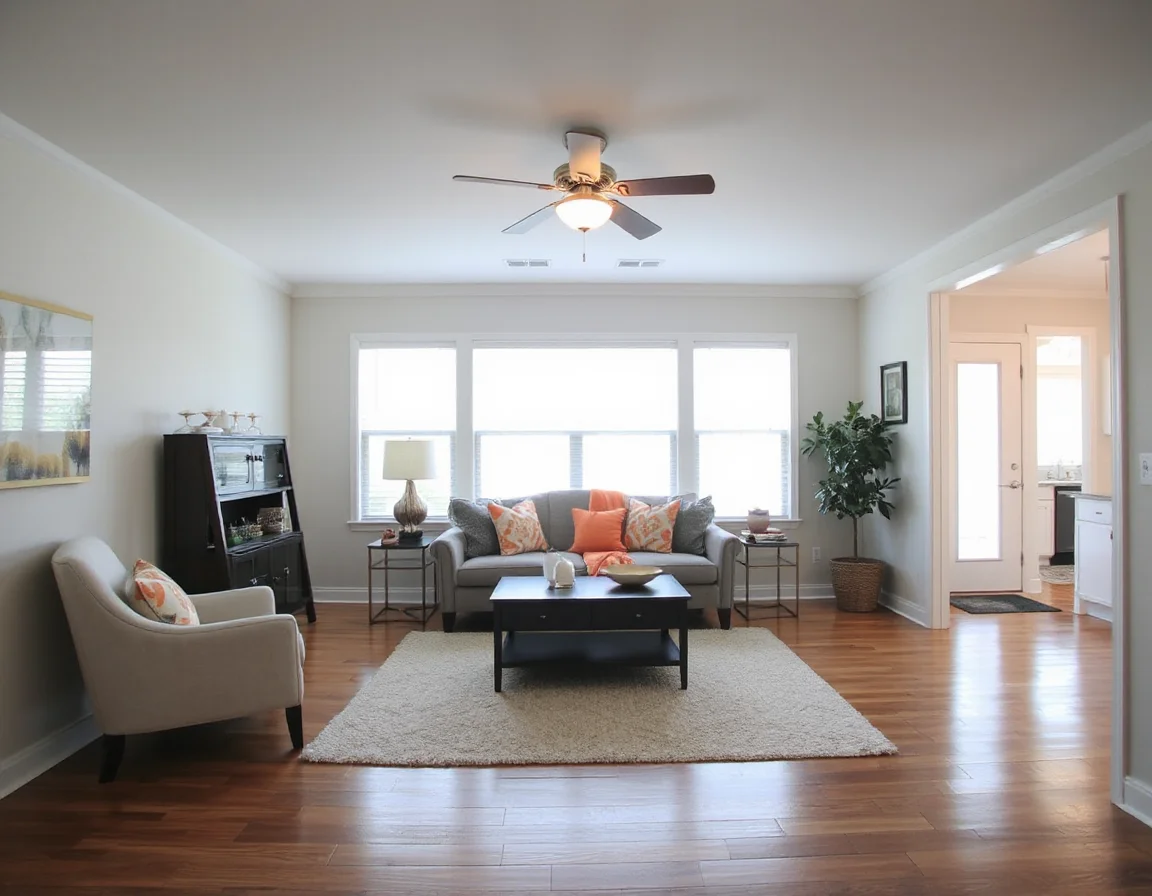
A fresh coat of paint in the right places can be especially effective. Scuffed walls, bold color transitions, and worn trim can distract from the home’s layout and natural light. Clean, consistent finishes help buyers focus on space and usability instead of their immediate to-do list. The same principle applies to flooring: repairing damaged planks, re-stretching carpet where appropriate, or replacing visibly worn sections may carry more resale benefit than installing a luxury finish that overshoots neighborhood expectations.
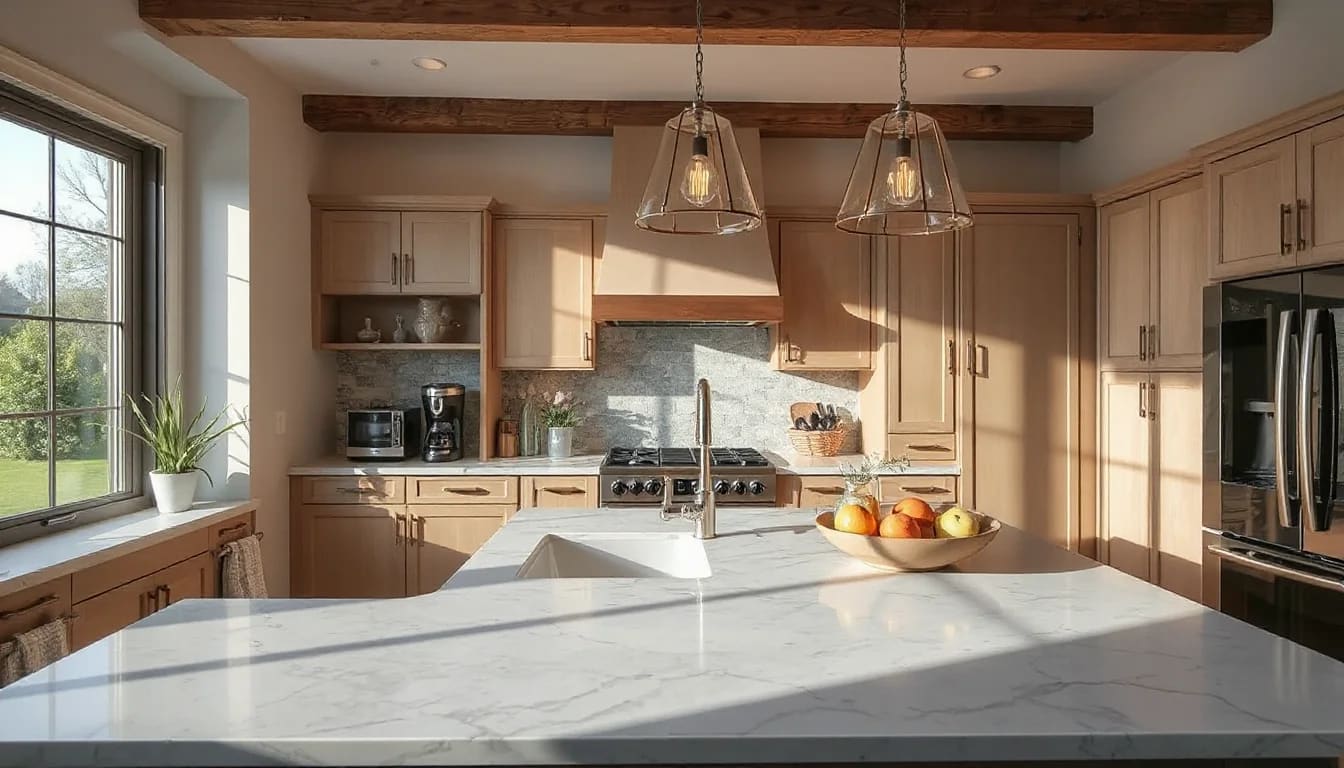
Kitchens and bathrooms deserve careful attention, but maintenance-first thinking should guide the budget. Re-caulking tubs, correcting loose fixtures, replacing outdated faucets, improving lighting, and ensuring cabinet doors operate smoothly often delivers better return than a major remodel done solely for resale. Buyers tend to respond well to spaces that feel clean, functional, and well kept.
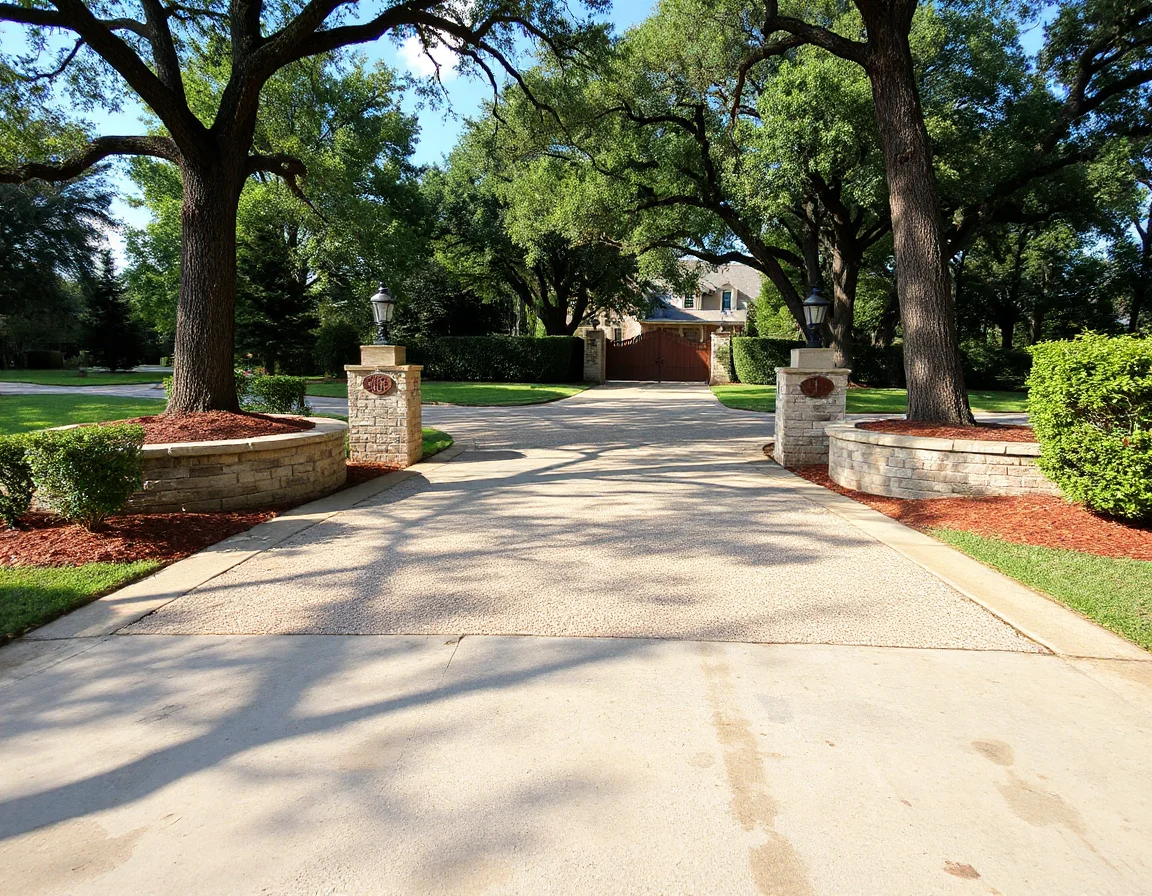
Exterior appearance follows the same rule. Pressure washing, trimming overgrowth, refreshing mulch, repairing fencing, and making sure the entry sequence looks tidy can elevate curb appeal quickly. These projects are comparatively modest, yet they shape the first five minutes of a showing in a big way.
Know where to stop and how to time the work
Protecting resale value does not mean saying yes to every project. The goal is to reduce deferred maintenance, strengthen presentation, and avoid spending far beyond what the local market is likely to recognize. Before starting larger work, compare the home’s current condition with other available properties in Marion and nearby areas. If competing homes are mostly clean and updated but not extensively remodeled, a focused maintenance plan may be the smarter path.
Timing matters too. Projects that affect photos, inspections, and appraisals should generally move to the front of the line. Roof repairs, paint, landscaping cleanup, HVAC service, lighting fixes, and moisture corrections often create the most immediate listing benefit. Larger capital projects may still make sense, but only when their remaining life or visible condition would otherwise interfere with a sale.
It is also worth keeping records. Receipts, warranties, service reports, and contractor summaries help tell the story of ownership. When buyers can see that maintenance has been steady and documented, the home often feels more dependable from the start.
In the end, the best Marion home maintenance projects are the ones that preserve function, reduce uncertainty, and help the property present as cared for at every level. If owners focus on water protection, major systems, exterior condition, and clean cosmetic upkeep, they are usually investing in the parts of the home that support resale value most directly.
