
The most valuable home improvements are not always the flashiest ones. In Boerne, practical upgrades that improve daily comfort, reduce maintenance concerns, and make a home feel move-in ready can strengthen its appeal when it is time to sell. A thoughtful plan helps owners put their budget toward improvements buyers can see, use, and appreciate.
Start With Comfort, Condition, and a Clear Plan
Before selecting tile, paint colors, or light fixtures, begin with the systems that make a house comfortable in every season. Boerne homes experience bright sun, heat, seasonal storms, and occasional cool snaps, so improvements to climate control, insulation, roofing, drainage, and windows can have a meaningful impact on how a property performs. These updates may not always deliver the immediate visual impact of a remodeled kitchen, but they can reduce future questions during inspections and give prospective buyers more confidence in the home’s overall condition.
Maintenance-first improvements often create the best foundation for resale. A professionally evaluated roof, updated gutters, sealed exterior openings, functional irrigation components, and a well-serviced HVAC system are examples of improvements that support comfort while helping a home present as cared for. Keep invoices, warranties, permits, and service records in one accessible file. Documentation can be just as helpful as the upgrade itself when buyers are comparing homes.
Energy efficiency is another practical lens. If older windows allow noticeable heat gain, or if attic insulation is thin or uneven, an energy-focused improvement may help improve comfort while supporting the home’s long-term operating appeal. The right project depends on the house, its age, orientation, and existing materials, so a contractor assessment is often more useful than following a one-size-fits-all renovation list.
A polished appearance matters, but buyers also notice signs of consistent upkeep: working doors and windows, clean drainage paths, stable exterior surfaces, and service records for major systems.
It is also wise to set a budget before work begins. Divide projects into three groups: essential repairs, comfort upgrades, and cosmetic improvements. Essential repairs should come first, especially if a deferred item could expand into a larger expense later. Then consider upgrades that solve an everyday inconvenience, such as limited storage, uneven lighting, or a patio that is difficult to use during warm afternoons.
Make the Kitchen and Bathrooms Work Harder
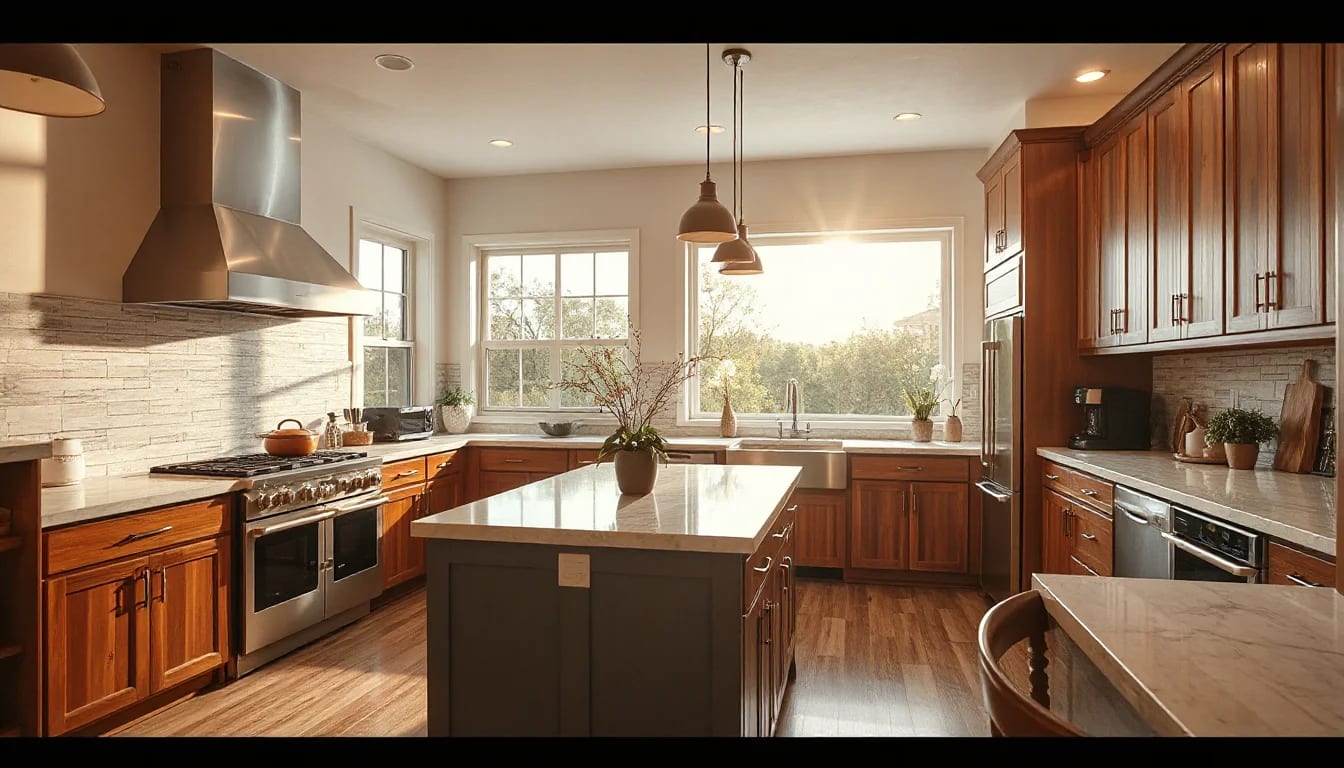
Kitchens and bathrooms remain high-visibility spaces because buyers spend time evaluating how these rooms function, not simply how they photograph. The goal is not necessarily a full renovation. In many homes, a targeted refresh can make a significant difference: updated hardware, durable countertops, a modern faucet, improved task lighting, fresh caulk, repaired cabinet doors, and a cohesive paint color can create a more finished impression without changing the room’s entire footprint.
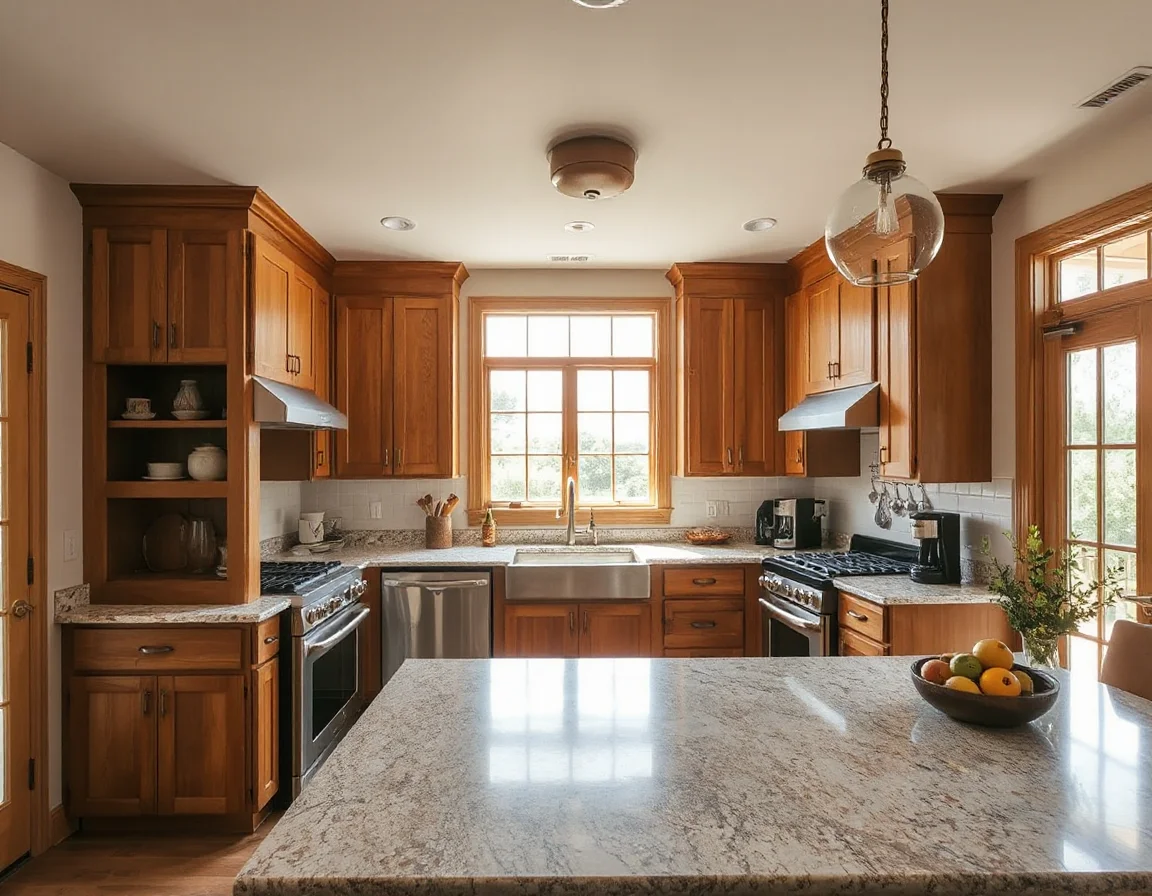
For a larger kitchen project, prioritize durable, broadly appealing materials and a layout that supports everyday use. Adequate counter space, sensible cabinet storage, reliable appliances, and layered lighting tend to matter more than a highly personalized design trend. If replacing appliances, choose sizes and finishes that fit the room properly and keep installation manuals available for the next owner.
Bathrooms benefit from the same practical approach. Address moisture issues before selecting new finishes, and make sure ventilation is functioning properly. Replacing a worn vanity top, improving lighting at the mirror, updating a shower enclosure, or installing water-efficient fixtures can give the room a cleaner, more current feel. Neutral finishes can help visitors focus on the space, while a restrained accent color or textured tile can add character without overwhelming it.
Small details deserve attention. Mismatched outlet covers, loose towel bars, peeling grout, sticky drawers, and dated light bulbs are inexpensive fixes, yet collectively they can affect a buyer’s perception of condition. A property does not need to look identical to every other home on the market; it should feel intentional, functional, and well maintained.
Get a home valuation before planning major upgrades
Improve Outdoor Living With Texas Weather in Mind
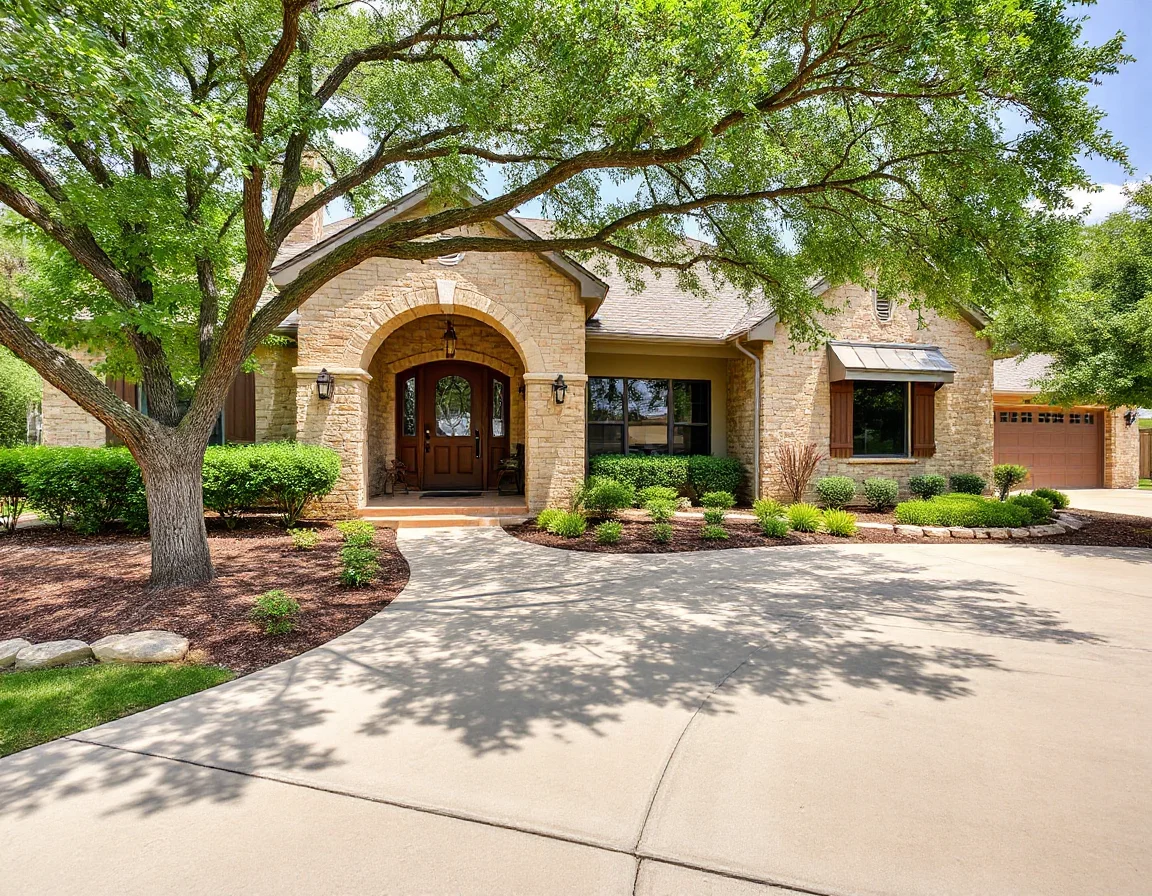
Outdoor areas are a major part of how a Boerne home is experienced. A front entry, porch, deck, patio, or yard can add useful space when it is clean, accessible, and designed for the local climate. Start with fundamentals: repair cracked walkways, remove trip hazards, clean exterior surfaces, trim landscaping away from the home, and confirm that gates, fencing, and outdoor lighting work properly.
A shaded seating area, ceiling fan rated for exterior use, or thoughtfully placed pergola may improve the usability of a patio during sunny months. Native or water-conscious landscaping can also create a finished appearance while reducing the need for high-maintenance plantings. When selecting landscape upgrades, consider irrigation coverage, mature plant size, drainage, and the amount of direct sun each area receives.
- Refresh the entry with a clean front door, working hardware, and coordinated exterior lighting.
- Use low-maintenance mulch, gravel, or native plantings to define landscaped areas.
- Repair and seal wood surfaces where appropriate to help protect decks, fences, and porch features.
- Add lighting that makes paths, steps, and exterior doors easier to navigate after sunset.
- Keep outdoor storage organized so patios and garages show their usable capacity.
For properties with Hill Country views, mature trees, or larger lots, avoid overbuilding simply because a project is possible. The most successful outdoor upgrades usually respect the scale of the property and make existing features easier to enjoy. A simple, well-maintained setting often feels more valuable than an elaborate installation requiring extensive future upkeep.
Choose Projects With the Local Market in View
Resale value is influenced by more than a renovation receipt. Location, lot characteristics, competing inventory, price range, current buyer expectations, and the quality of the work all influence how an upgrade is received. A project that is appropriate for one home may not produce the same result for another, especially when surrounding properties offer different layouts, ages, or levels of finish.
That is why it helps to compare your plan with active and recently sold homes before committing to a major project. Look for recurring features in your price range: renovated kitchens, outdoor improvements, flooring updates, home-office flexibility, storage solutions, or modernized primary bathrooms. The goal is not to copy another property exactly. Instead, use the market to identify where your home may need attention and where it already stands out.
Quality should guide every decision. A carefully completed, modest update can be more beneficial than a rushed renovation with visible shortcuts. Use qualified professionals when a project involves structural work, electrical systems, plumbing, roofing, or permits. If you are planning to sell within the next year, consider discussing project timing and scope with a local real estate professional before starting.
Explore current Boerne listings
Build Value Through Thoughtful Improvements
The best upgrades make a home easier to live in now and easier to understand later. Focus first on condition and comfort, then choose visible improvements that create a cohesive, cared-for presentation. Whether the project is as simple as fresh paint and new lighting or as involved as an updated kitchen and patio, a clear plan can help each dollar work harder.
Boerne’s blend of Hill Country character, established neighborhoods, newer construction, and varied property styles means there is no universal renovation formula. A home that is clean, functional, efficiently maintained, and thoughtfully updated is well positioned to make a strong impression on the people considering it.
