
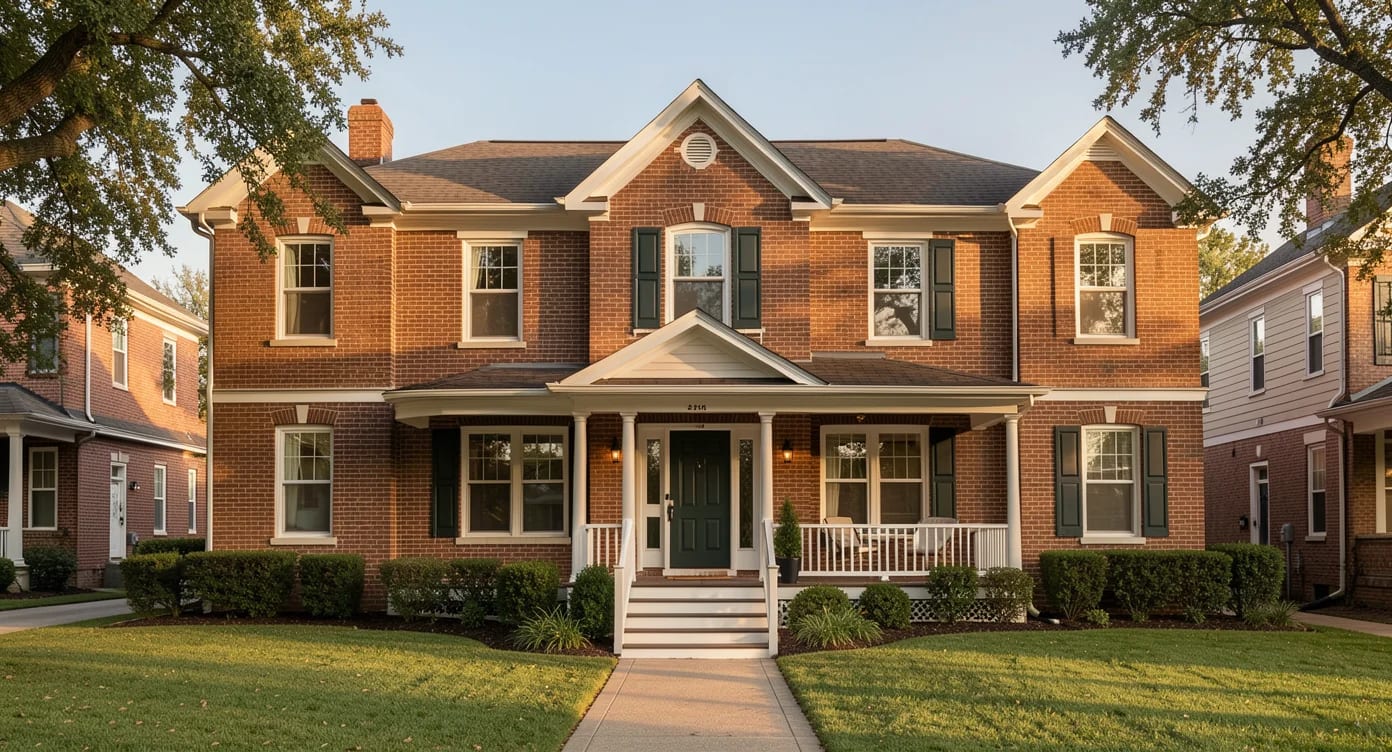
A New Braunfels property may look promising as a rental, but the purchase price is only the beginning of the calculation. Before making an offer, compare realistic income with financing, taxes, insurance, maintenance, and the rules governing your intended rental use. A careful review can reveal whether the numbers still work when a property sits vacant or needs repairs.
Start With the Rental Strategy
New Braunfels offers access to the Comal and Guadalupe rivers, recreation, dining, and a mix of established and newer residential areas. Those features can influence how buyers think about a rental property, but proximity to an attraction alone does not establish demand or guarantee income. Begin by deciding whether you are evaluating a longer-term lease, a short-term rental, or a home you may occupy while considering rental use later.

Each approach has a different operating profile. A longer-term lease may involve fewer turnovers, while a short-term rental can require furnishing, frequent cleaning, guest communication, and marketing. Rates and occupancy can vary by season, property features, location, and competition. If you are comparing strategies, prepare a separate budget for each rather than assuming one set of expenses applies to both.
Look at comparable properties with similar bedroom counts, condition, amenities, and locations. For longer-term rentals, compare current asking rents and, when available, completed lease data. For shorter stays, examine several months of comparable nightly rates and occupancy information, noting that advertised rates are not necessarily booked rates. Ask what is included in the rent, such as utilities, parking, or furnishings, before drawing conclusions.
A listing’s advertised nightly rate is not the same as annual rental income. Account for unbooked nights, seasonal changes, and the costs of each guest turnover.
As you review listings, consider practical features that affect both appeal and upkeep: parking, storage, laundry, outdoor space, and the condition of major systems. A convenient layout can matter, but a desirable feature should still earn its place in the budget if it raises purchase or maintenance costs.
Verify Rental Rules Before You Commit
Rental permission is a property-specific question. Confirm whether the address falls within city limits and ask the appropriate local authorities about current rules for the rental use you have in mind. Short-term rental requirements may include registration or permits, operational standards, and applicable taxes. Rules can change, so verify the details directly rather than relying on an old listing description or a previous owner’s practices.
Also request and review any homeowners association or condominium documents, deed restrictions, and recorded covenants. An association may impose lease-length requirements, approval procedures, fees, or restrictions that differ from local government rules. If the property has an existing permit or booking history, ask whether any authorization can transfer and what a new owner must do. Do not assume prior use guarantees future permission.
Build enough time into your due diligence to obtain written answers where possible. Your real estate agent can help identify documents and questions, while the local government, association, insurer, or an attorney can address their respective requirements. If rental use is central to the purchase, discuss appropriate contract protections and deadlines with your agent before signing.
Build a Property-Specific Operating Budget
Once you have a plausible rent estimate, move from gross income to the costs of owning and operating the property. Request current insurance quotes for the intended use and review the property tax history, but avoid assuming that the seller’s tax bill will remain your bill. Appraised value, exemptions, and taxing rates can affect future costs.

Include routine maintenance, landscaping, pest control, utilities paid by the owner, association dues, management, leasing or platform fees, and a reserve for larger replacements. A roof, water heater, or air-conditioning system can create a substantial expense even when the home appears move-in ready. For a furnished rental, add furniture, supplies, cleaning, laundry, and periodic replacement of worn items.
Insurance deserves particular attention. A policy suitable for an owner-occupied home may not cover the same risks as a long-term or short-term rental policy. Ask an insurance professional about coverage, deductibles, liability, and any flood coverage you may need. Check the property’s flood information and obtain quotes rather than assuming a location near—or away from—the rivers determines your exact risk or premium.
Financing affects the picture too. Ask a lender about the down payment, interest rate, closing costs, reserves, and loan terms for your intended occupancy and rental use. Use the actual proposed payment in your budget, and remember that loan principal and interest are separate from operating expenses when calculating net operating income.
Test the Return With Conservative Assumptions
A useful first calculation is net operating income: expected rental income after vacancy and operating expenses, but before mortgage principal and interest, income taxes, and depreciation. Dividing that number by the purchase price produces a capitalization rate, a way to compare properties before financing. Neither measure captures every risk or cost of ownership.
For an illustration only, suppose a property produces $30,000 in annual rent after a vacancy allowance and has $12,000 in annual operating expenses. Its net operating income would be $18,000. At a $300,000 purchase price, the implied cap rate would be 6%. These figures are examples, not New Braunfels market estimates or a forecast for any property.
To estimate annual cash flow, subtract annual mortgage principal and interest from net operating income. If those payments total $15,000 in the example, cash flow would be $3,000 before income taxes and major costs not already reserved for. If the buyer invested $90,000 in down payment, closing costs, and initial improvements, that $3,000 would represent an illustrative cash-on-cash return of about 3.3%. Actual results depend on the full amount invested and expenses incurred.
Run the calculation again with lower occupancy, a higher insurance quote, or an unexpected repair. The difference can show how much room your budget has for uncertainty.
Consider the exit as well as the purchase. Selling costs, future improvements, and changes in property value can affect total return; appreciation is not guaranteed. A tax professional can explain how your circumstances may affect deductions, depreciation, and the eventual sale.
Bring the Numbers Into Your Decision
Before the option period or other applicable due-diligence deadlines expire, compare your projections with inspection findings, lender terms, insurance quotes, and confirmed rental rules. Ask for clarification on any expense or restriction that could change your plan. A property can be attractive without being the right investment at its current price, and a disciplined review gives you a clearer basis for negotiating or moving on.
Whether you are weighing one listing or comparing several, Joel Marlon Garza can help you explore the local purchase process and identify questions to investigate. Pair that guidance with advice from qualified lending, insurance, tax, and legal professionals so your decision rests on the property’s actual details.
