

Coastal insurance can shape the true cost of owning or selling a home in Rockport just as much as price, taxes, or interest rates. Buyers who understand wind, flood, and deductible details early can avoid surprises at closing, while sellers who organize policy information up front can make their listing easier to evaluate. A little preparation goes a long way in a market where water, weather, and location all influence coverage.
Why insurance matters so much in a coastal market
When people talk about buying or selling near the water, the conversation usually starts with views, lot size, updates, and location. In Rockport, though, insurance deserves an equally early spot on the checklist. Coastal properties can involve more than one policy or endorsement, and the difference between one home and the next may affect monthly ownership costs in a meaningful way.
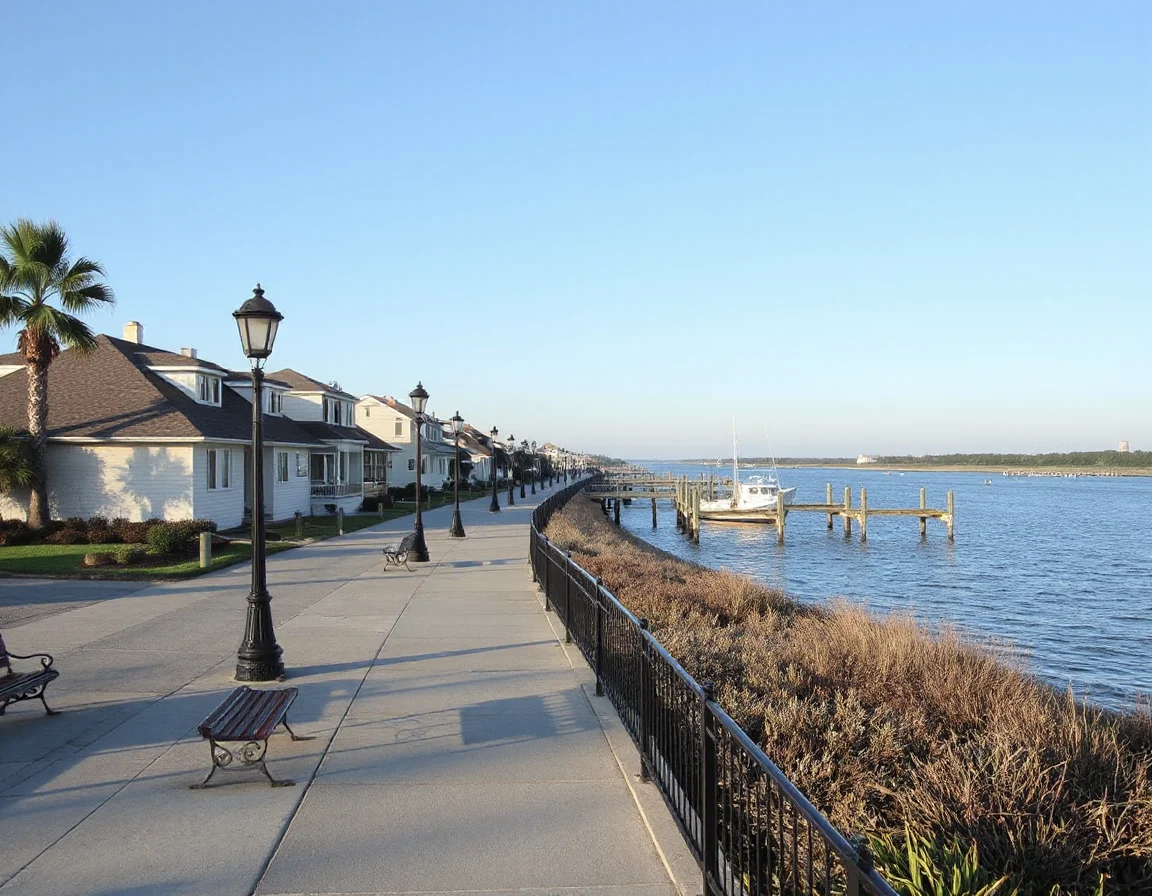
That does not mean every transaction is difficult. It simply means buyers and sellers benefit from treating insurance as part of the property review process, not a last-minute task. Wind exposure, elevation, roof age, construction materials, prior claims history, and whether a home sits in or near a flood zone can all influence coverage options and pricing.
For buyers, this affects affordability and budgeting. For sellers, it affects how smoothly a buyer can underwrite the home and how confidently they can move forward. A well-priced property still needs to make sense once insurance estimates are added to the full ownership picture.
On coastal transactions, one of the most useful early questions is simple: what does the current owner carry, and what portions of that coverage are separate? That single answer can help frame the buyer’s next steps quickly.
What buyers should ask before making an offer
Buyers in Rockport should request insurance information as early as practical, especially when comparing several homes with different ages, elevations, or distances from the water. Even if two properties are close together, their insurance profiles may not look the same. One may have a newer roof and wind-mitigation features, while another may require higher premiums or separate policies.
A strong starting point is to ask for the seller’s current insurance structure, without assuming your future premium will match it exactly. Coverage availability can change over time, and carriers use their own underwriting standards. Still, current policy details can provide a useful baseline for understanding how the home has been insured historically.
Buyers should also ask these practical questions:
- Is flood insurance currently in place?
- Is windstorm coverage separate from the primary homeowner policy?
- What are the deductibles for wind, hurricane, and other named storm events?
- When was the roof installed or last replaced?
- Have there been major insurance claims related to storm damage or water intrusion?
- Are there recent elevation certificates, inspections, or mitigation improvements on file?
These details help a buyer compare homes more accurately. A house with a lower purchase price is not automatically the lower-cost option over time. If insurance costs are notably higher, that can change the monthly payment calculation and long-term carrying costs.
What sellers can do to reduce uncertainty
Sellers often focus on repairs, staging, pricing, and photography, but organized insurance information can also strengthen a listing. If a buyer is already trying to estimate taxes, financing, and maintenance, having clear answers about coverage can remove friction from the process.
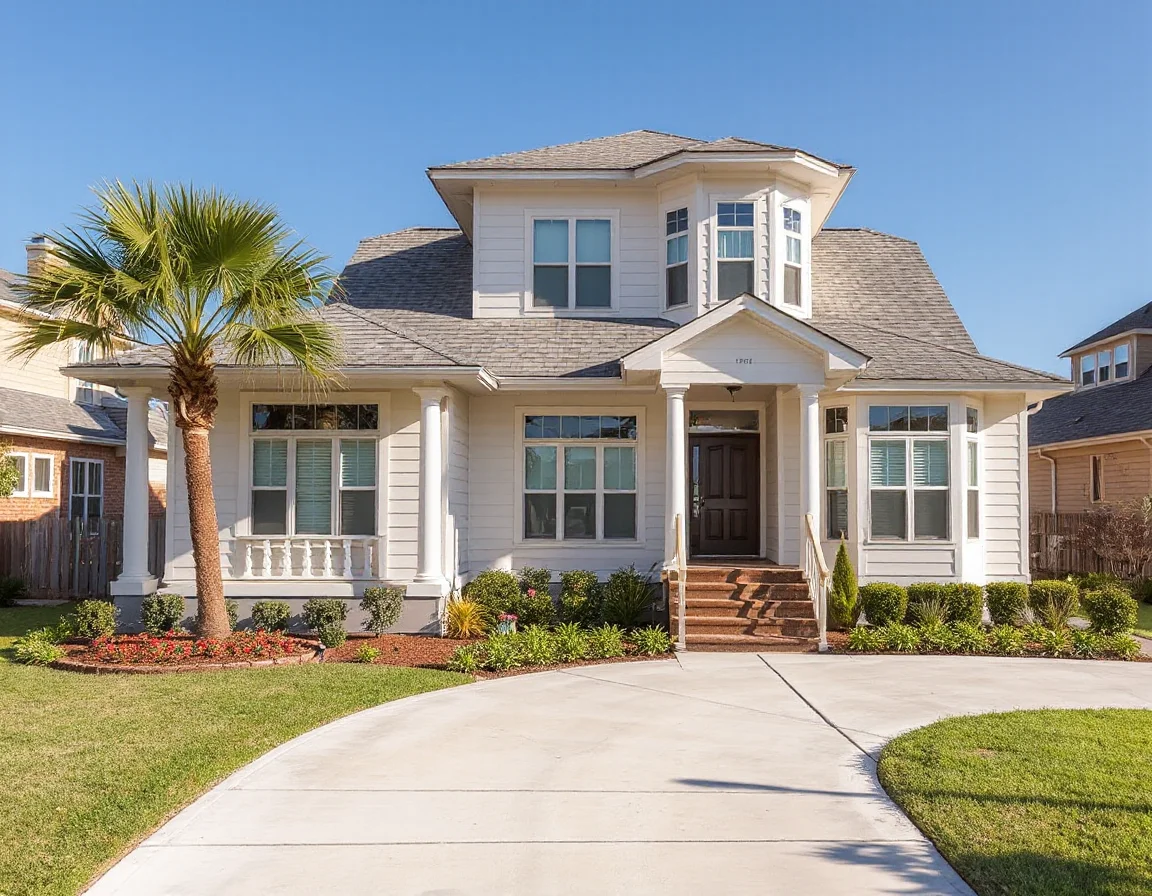
A seller does not need to become an insurance expert. What helps most is preparation. Gather the current declaration pages if appropriate, note whether there is separate windstorm or flood coverage, and be ready to share the age of the roof, window upgrades, storm shutters, elevation details, or other improvements that may matter to an insurer. If prior storm repairs were completed, keeping invoices or contractor documentation handy can also be useful.
This kind of preparation does two things. First, it helps serious buyers evaluate the property with fewer unknowns. Second, it signals that the home has been maintained and documented with care. In a coastal market, documentation often supports confidence.
It is also wise for sellers to avoid guessing about what a future buyer will pay. Instead of making broad promises, provide factual information about the home’s condition, improvements, and current coverage structure. That keeps the discussion accurate and useful.
Roof age, opening protection, and elevation-related documents often become some of the most valuable supporting records in a coastal sale. Having them ready can save days of back-and-forth during the option and underwriting periods.
Understanding flood zones, wind coverage, and deductibles
Three of the biggest insurance topics in Rockport are flood exposure, windstorm coverage, and storm-related deductibles. These are connected, but they are not identical. A home may need flood insurance based on lender requirements or risk tolerance, while wind coverage may be handled through a different policy structure than the main homeowner policy.
Deductibles deserve close attention because they can be percentage-based for certain storm events. That means the out-of-pocket amount after a claim may be larger than a buyer expects if they are only familiar with a flat deductible on an inland property. Reading the policy estimate carefully matters just as much as looking at the premium total.
It is also worth remembering that maps and underwriting rules can evolve. A buyer should verify current flood-zone information and obtain updated insurance quotes rather than relying only on older paperwork. A seller can be extremely helpful by sharing existing documents, but the buyer’s final due diligence should always be current and property-specific.
How insurance affects negotiations and closing timelines
Insurance can influence negotiations in subtle ways. If a buyer discovers that premiums or deductibles are higher than expected, they may revisit their comfort level with the total cost of ownership. If an insurer requests repairs, certifications, or additional documentation before binding coverage, that can affect timing as well.
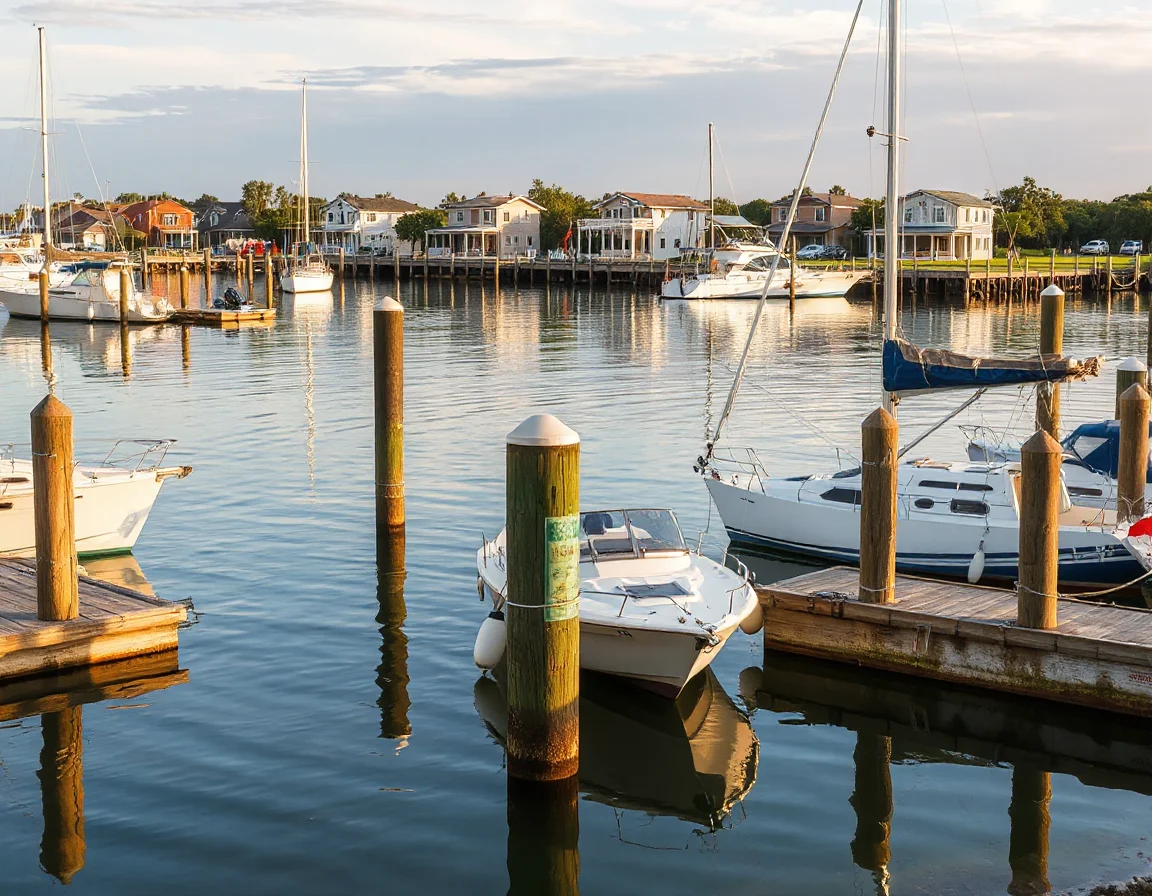
That is why early coordination matters. Buyers should obtain quotes during the contract period, not at the very end. Sellers should respond promptly to requests for roof age, claim history disclosures, or improvement records. The goal is not to eliminate every question; it is to surface the important ones with enough time to address them.
In some cases, insurance details can also help explain buyer behavior. A property that appears comparable on paper may attract different levels of interest once ownership costs are fully reviewed. This is one reason local guidance is valuable in coastal markets: list price is only part of the story.
If you are comparing homes, preparing to list, or trying to understand how coverage may shape your next move, looking at insurance early helps you make clearer decisions with fewer surprises.
A practical approach for Rockport buyers and sellers
The most effective approach is straightforward: treat insurance as part of the property conversation from day one. Buyers should gather quotes early, review deductibles carefully, and compare total monthly costs across homes. Sellers should organize policy information, document property improvements, and present factual details that help buyers evaluate the home with confidence.
Rockport offers the advantages that draw people to the coast in the first place, but coastal ownership comes with its own planning considerations. Understanding insurance is not about creating hesitation. It is about making informed decisions, pricing realistically, and keeping transactions moving with fewer avoidable surprises. In a market shaped by weather and water, good preparation is one of the smartest tools on either side of the sale.
