
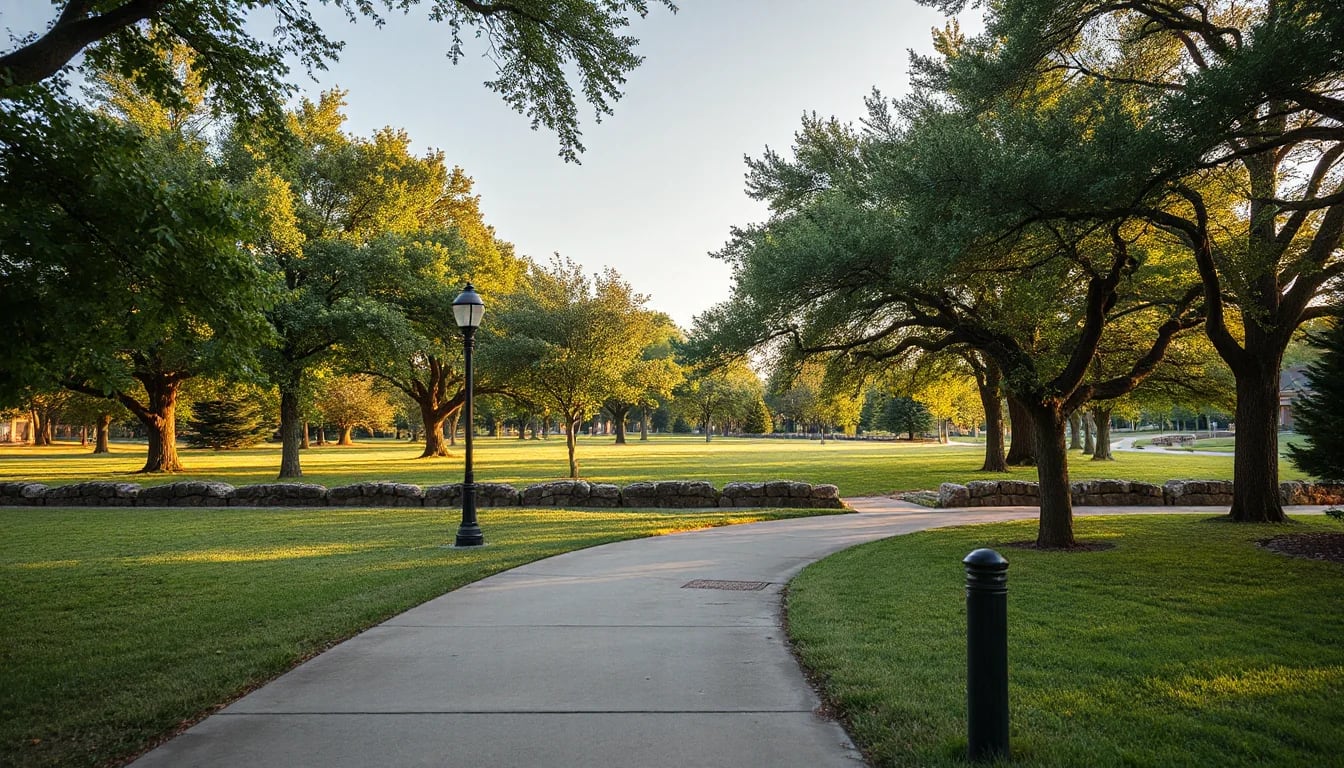
Bulverde offers a practical Hill Country setting with city parks, everyday services, and several route options connecting residents to the greater San Antonio area. Whether you are comparing homes, planning a daily drive, or simply getting oriented, knowing where the parks, corridors, and local amenities sit can make a property search more informed.
A Closer Look at Bulverde’s Outdoor Spaces
Set in northern Comal County, Bulverde combines limestone terrain, mature oak trees, and the open-air character associated with the Texas Hill Country. The city’s public spaces offer convenient places to walk, gather, exercise, and take a break from the road. For people evaluating a move, nearby parks can be more than a pleasant extra: they can shape how easily a daily routine connects to outdoor time, local events, and community resources.
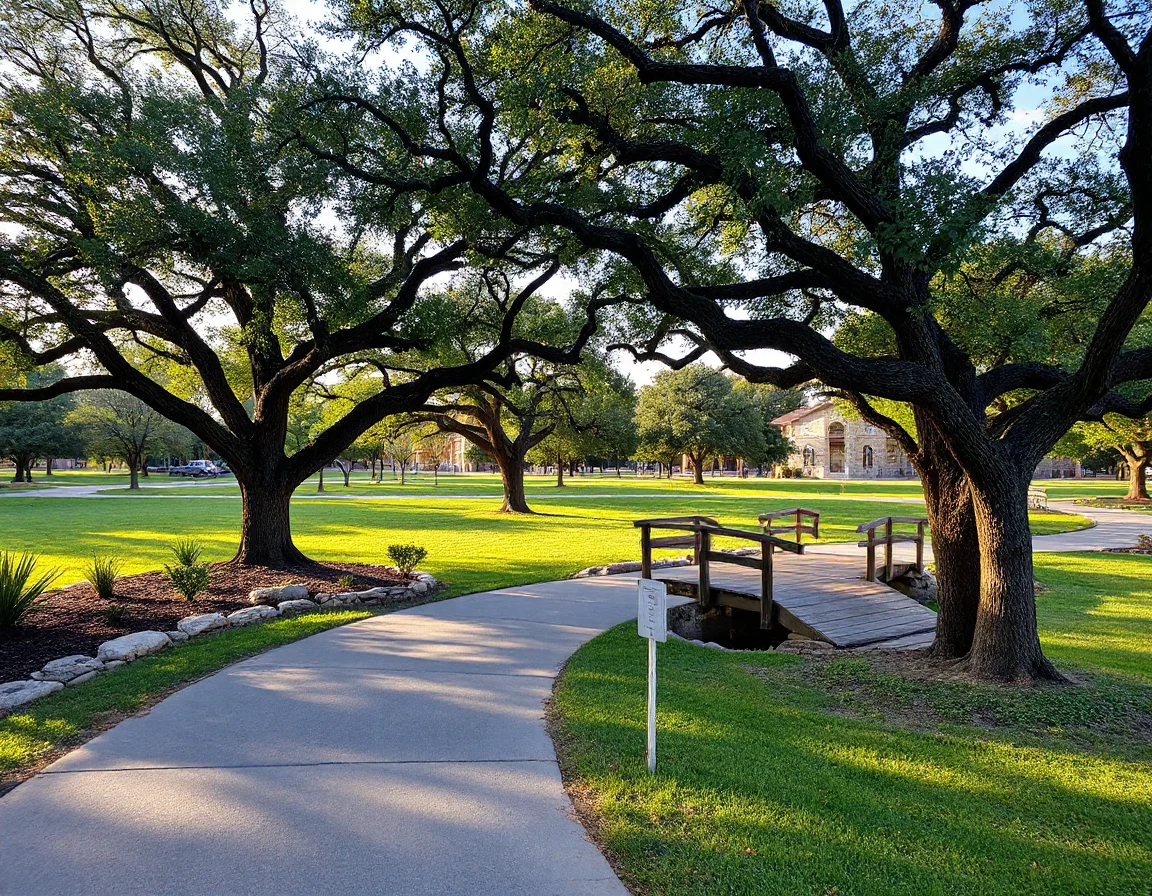
Bulverde Community Park is a recognizable local recreation destination, with open grounds and facilities that support organized activities as well as casual visits. Its setting reflects the area’s natural landscape, where live oaks and changing elevation add texture to a simple walk or afternoon outdoors. Check current city schedules before planning around a particular field, program, or event, since public-use availability can change throughout the year.
Other nearby public recreation opportunities extend beyond the city limits. The broader Bulverde and Spring Branch area places residents within reach of Hill Country trails, Guadalupe River access points, Canyon Lake recreation, and regional parks. These destinations are not necessarily around the corner from every address, but they are part of the larger map people often consider when looking at this portion of Comal County.
Outdoor access also varies property by property. Some homes may have established trees, larger lots, covered patios, or neighborhood green space, while others emphasize lower-maintenance yards or a more compact footprint. When touring, it helps to compare the actual usable outdoor area, sun exposure, drainage, easements, and maintenance expectations rather than relying on a listing photo alone.
A park’s distance on a map is only part of the picture. Drive the route at the time you expect to use it, and note sidewalks, road shoulders, terrain, parking, and seasonal conditions.
Understanding Commute Routes and Daily Connections
Bulverde’s location offers several important roadway connections, with U.S. Highway 281 and Texas State Highway 46 serving as major reference points. U.S. 281 is a key north-south corridor for travel toward San Antonio and communities farther north, while Highway 46 provides an east-west connection toward areas including New Braunfels, Boerne, and nearby Hill Country destinations. Route choice often depends on the neighborhood, destination, work schedule, and current road conditions.
For many residents, the drive toward San Antonio is an important part of the weekly routine. The actual commute can vary considerably with construction, school-zone traffic, weather, time of day, and the specific destination within the metro area. A home that appears close to a highway may have a different practical travel time than one that is slightly farther away but has a more direct route to the desired corridor.
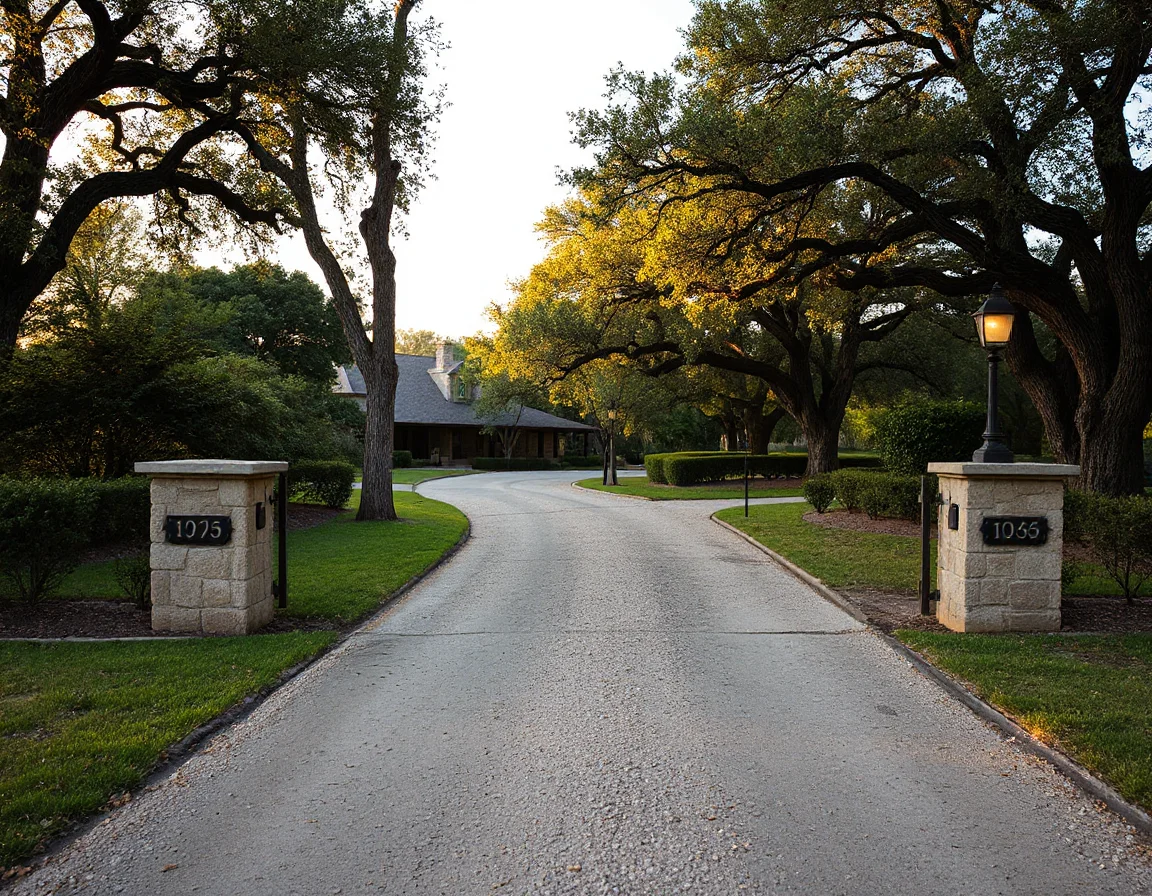
A useful home-search habit is to test the trip instead of estimating it. Drive from a prospective neighborhood to work, frequently visited services, medical offices, recreation sites, and other regular destinations. Use both a weekday peak period and a quieter time when possible. This can reveal turning movements, intersections, road surfaces, and traffic patterns that may not be obvious during a midday showing.
Bulverde’s growth also means transportation conditions can evolve. Road improvement projects, new development, and changing traffic volumes may affect the experience of getting around over time. Buyers reviewing a particular property may want to ask about current planned projects, public infrastructure notices, and whether a private road, shared drive, or homeowners’ association has separate maintenance responsibilities.
For a clearer comparison, map each contender to the same three or four routine destinations rather than judging location by a single commute estimate.
Convenience is not defined by highway access alone. Within and around Bulverde, residents can find a range of everyday amenities, including grocery options, fuel stations, personal services, medical providers, fitness facilities, dining, and professional offices. Availability and distance differ by neighborhood, so a quick route check can help identify whether preferred services are clustered near a property or require a longer drive.
Local Amenities to Compare During a Home Search
When exploring Bulverde real estate, look beyond the number of bedrooms and the view from the front porch. A thoughtful comparison includes utility providers, internet availability, property tax considerations, homeowners’ association rules where applicable, and access to everyday destinations. Hill Country properties can also differ in septic systems, wells, propane service, water restrictions, lot topography, and vegetation management, especially outside denser subdivisions.
Start with the routines that matter most to you. Make a short list of practical stops: groceries, a pharmacy, a preferred fitness option, a park, a library, a trailhead, or a destination in San Antonio. Then compare those locations against each home under consideration. This approach gives more useful context than a broad claim that an area is “close to everything,” because it is based on the places you actually expect to visit.
Community calendars can add another layer to the search. Bulverde and nearby communities host seasonal gatherings, civic programs, local recreation activities, and opportunities to support area businesses. These events provide a chance to see how roads flow, how public spaces are used, and what the atmosphere feels like at different times of year. They can also be an enjoyable way to learn the geography before making a decision.
For buyers considering a home near a commercial corridor or major road, it is wise to visit at multiple times of day. Listen for road noise, observe traffic entering and exiting nearby intersections, and review the property’s orientation. For homes near open land, inspect the surrounding access roads, drainage patterns, and any visible development activity. These details can help set appropriate expectations without making assumptions about future conditions.
Making the Most of a Bulverde Visit
A productive visit to Bulverde can be simple: tour a few homes, stop at a local park, drive U.S. 281 and Highway 46, and follow the routes you would likely use during a normal week. Give yourself enough time to notice the shift between established neighborhoods, newer development, commercial intersections, and more open Hill Country roads. The goal is not to find a universal “best” location, but to identify the setting and access pattern that best match your own priorities.
With its park access, regional road connections, and growing collection of daily amenities, Bulverde offers a distinct place to begin a Hill Country home search. Taking time to compare routes, public spaces, utilities, and property features can turn a casual visit into a more confident real estate decision.
